storytelling
The Power of Storytelling
The discussion of data and goals in business is very common. Unfortunately, it is so common that it becomes routine. There is no heart, no excitement, and, generally, a lack of real motivation that limits the likelihood of success.

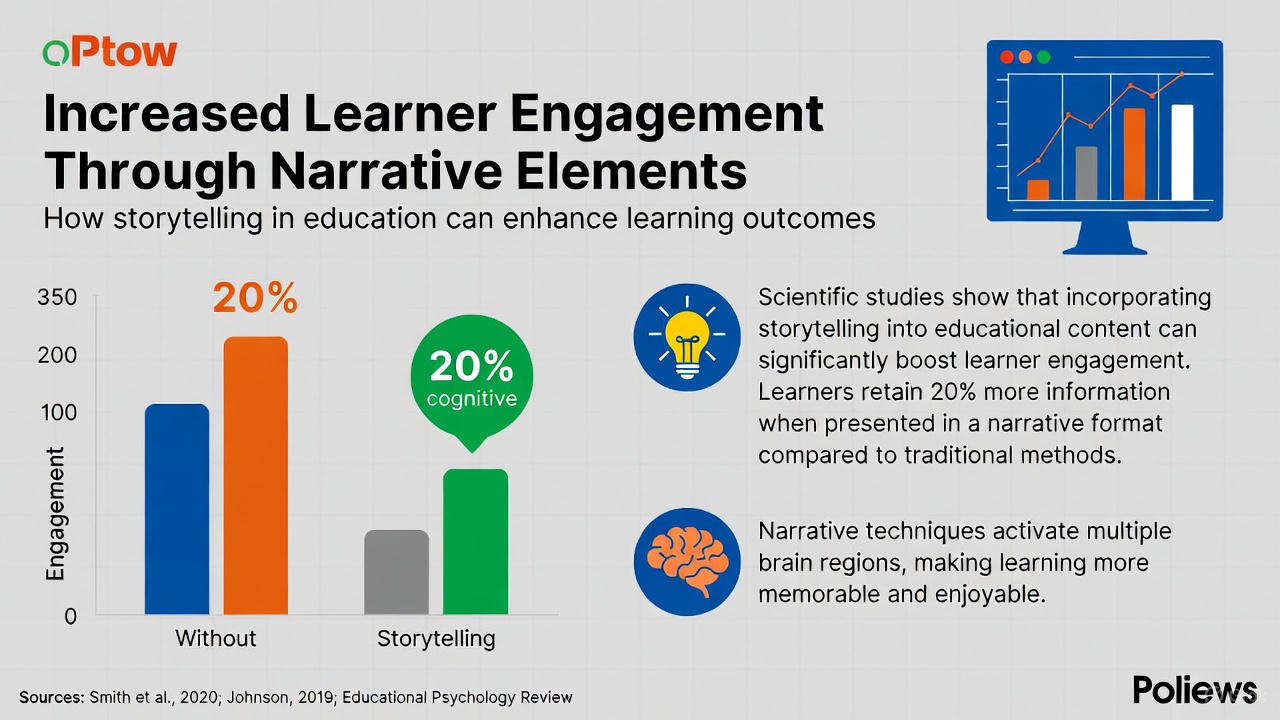
Stories evoke emotions, and emotions often trump logic when it comes to getting buy-in and creating excitement. Stories also help with visualization, and visualizing success is proven to enhance goal achievement. That leads to mutual success. Just think about the power of TED Talks to help with the understanding and retention of ideas.
Steve Jobs realized that people are drawn to engaging stories that evoke emotion. He created relatable scenarios that helped people understand the benefits of a technologically advanced solution without having to dive deep into the technology. He spoke about things that were fun, exciting, and useful. He was visionary, but just as important, he was able to share that vision and create demand. Relatability and engagement, when done right, create an emotional attachment that drives action.
When my team and I were selling a leading-edge vector analytics database years ago, our Marketing team and other experts wanted us to focus on what later became known as “speeds and feeds.” Our product was more advanced than the competitors’, but our message was undifferentiated. That is not a good place to start when your competitors are larger and better known.
I created a weekly webinar that we called “Why Fast Matters.” We started by discussing common issues around the complexity and inflexibility of Star Schemas, Fact Tables, pre-aggregation, specialized hardware, and more. The focus was on agility that created a tangible business advantage while saving money. One of the stories I would tell was around a beautiful, multi-layered cake. It is a thing of beauty, taking a lot of time and skill to create. It was also fragile and expensive.
The story concluded like this:
“Now, picture yourself taking a bite of that amazing cake with your eyes closed. Think about how rich, flavorful, and amazing it is. Then someone hands you a fork, and you take another bite. It is just as amazing. You open your eyes and see a plated piece of the amazing layer cake alongside a cupcake. They were both delicious, and with your eyes closed, the results were the same. But one was complex and fragile, and the other was simple, quick, and inexpensive. There is a time and place for each, but when you are betting your success on an outcome, do you really care how you get there?”
We closed with a brief explanation of the technology, real-life proof points, and a call to action to prove its effectiveness in their environment using their data. The close helped demonstrate that this was not just a made-up story, but rather, something that could become their own success story. This was a straightforward approach to getting people to try something they might never have considered otherwise.
Essentially, you are shifting the audience’s mindset from how something gets done (means objective) to what matters and why it needs to be done (fundamental objective). People tend to have preconceived ideas about how the solution should work, often based on what they are familiar with. Once the audience begins to visualize a desirable outcome, they become more open to different approaches.
I have successfully used these approaches with more complex products, such as an advanced Kubernetes platform, object databases, a multi-platform data integration product, and the world’s first commercial JDBC driver. It is also an effective way to motivate teams. Create a vision of the successful execution of a plan, how good it feels to achieve your goals, and what it could mean for each person—an area they develop as their minds elaborate and personalize the story.
Some of the most effective and engaging people that I have known are skillful storytellers. Not everything has to be a story, but when leveraged at the right time, it can mean the difference between moving closer to your goal and being just one of many ideas or solutions.
You may not be the next Steve Jobs (I’m certainly not), but you could easily stand out from your peers and competition. Share your story in the comments below!
There’s a story in there – I just know it…
I was reading an article from Nancy Duarte about Strengthening Culture with Storytelling, and it made me think about how important a skill storytelling can be in business and how it can be far more effective than just presenting facts and data. These are just a few examples. You probably have many of your own.
One of the best salespeople I’ve ever known wasn’t a salesperson at all. It is Jon Vice, former CEO of the Children’s Hospital of Wisconsin. Jon is very personable and has the ability to make each person feel like they are the most important person in the room (quite a skill in itself). Jon would talk to a room of people and tell a story. Mid-story, you were hooked. You completely bought what he was selling, often without knowing what the “ask” was. It was an amazing thing to experience.
Years ago, when my company was funding medical research projects, my oldest daughter (then only four years old) and I watched a presentation on the mid-term findings of one of the projects. The MD/Ph.D. giving the presentation was impressive, but what he showed was slide after slide of data. After 10-15 minutes, my daughter held her Curious George stuffed animal up in front of her (where the shadow would be seen on the screen) and proclaimed, “Boring!”
Six months later, that same person gave his wrap-up presentation. It was short and told an interesting story that explained why these findings were important, laying the groundwork for a follow-on project. A few years later he commented that his initial presentation became a valuable lesson. That was when he realized the story the data told was far more compelling than just the data itself.
A few years ago, the company I work for introduced a high-performance analytics database. We touted that our product was 100 times faster than other products, which happened to be a similar message used by a handful of competitors. In my region, we created a “Why Fast Matters” webinar series and told the stories of our early Proof of Value efforts. This helped my team make the first few sales of this new product and change the approach the rest of the company used to position this product. People understood our value proposition because these success stories made the facts tangible.
I tell my teams to weave the thread of our value proposition into the fabric of a prospect’s story. This makes us part of the story and makes this new story their own (as opposed to our story). This simple approach has been very effective.
What if you not selling anything? Your data tells a story – even more so with big data. Whether you are analyzing data from a single source (such as audit or log data) or correlating data from multiple sources, the data has a story to tell. Whether patterns, trends, or correlated events – the story is there. And once you find it, there is so much you can do to build it out.
Whether you are selling, managing, teaching, coaching, analyzing, or just hanging out with friends or colleagues, being able to entertain with a story is a valuable skill. It is also a great way to make many things more interesting and memorable in business. So, give it a try.
 Where Ideas, Experiences, and Lessons Learned Intersect